Near North / Downtown · ZIP 60602
Carrier HVAC in Chicago Loop
One of the most installed HVAC systems in Chicago, dependable heating and cooling. Load-calibrated design and quiet installation for Chicago Loop homes.
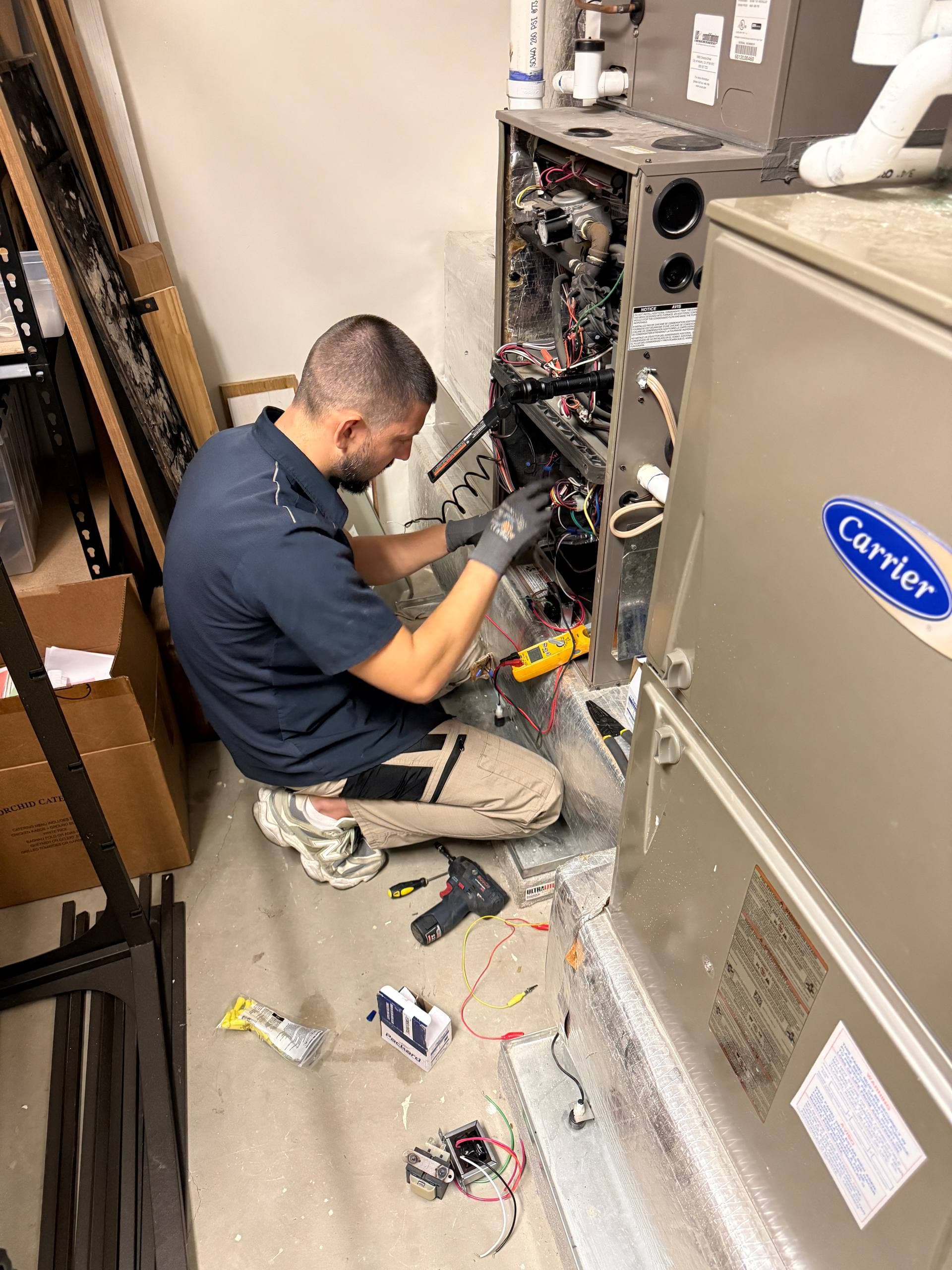
Carrier Services in Chicago Loop
General heating and cooling system diagnostics and repair for furnaces, AC units, and heat pumps.
Full system replacement and new HVAC installation, including sizing and permit-conscious installs.
Seasonal furnace maintenance before winter to catch issues before they become no-heat emergencies.
Air conditioning repair and seasonal tune-up before Chicago summer heat arrives.
Carrier in Chicago Loop: What to Know
Carrier units show up across the Loop more than almost any other HVAC brand, installed in everything from older converted commercial buildings to newer high-rise residential towers, which means most technicians working downtown have seen the same control boards and diagnostic patterns dozens of times. That familiarity matters when you're troubleshooting a system in a shared mechanical room or dealing with a fault code on a unit squeezed into a converted mixed-use building—most issues can be diagnosed without ordering specialty tools or waiting on manufacturer tech support. The challenge in the Loop isn't usually the equipment itself; it's coordinating loading zone permits, getting freight elevator access during the building's narrow time windows, and working around weekday traffic restrictions that can turn a straightforward repair visit into a logistics puzzle. We keep common Carrier parts in stock specifically for downtown calls, since a second trip for a capacitor or pressure switch means rebooking the loading dock and losing another day.
Carrier Installation Notes for Chicago Loop Homes
Carrier systems are among the most commonly installed in Chicago, so most repair technicians have direct experience with their control boards and can usually diagnose issues without ordering diagnostic tools.
What to Know About Near North / Downtown Properties
High-rise condos, converted lofts, and older mixed-use buildings dominate this area, often with shared mechanical rooms, freight-elevator-only equipment access, and building-management approval requirements for any HVAC or major appliance work.
- Building management or HOA approval often required before scheduling
- Freight elevator reservations may be needed for large equipment
- Loading dock access windows vary by building
- Condo association rules may restrict service hours
Work within the City of Chicago follows Chicago Department of Buildings permitting for mechanical, electrical, and plumbing scope. High-rise and mixed-use buildings may also require building management sign-off in addition to city permits.
ComEd for electric service and Peoples Gas for natural gas are standard across the City of Chicago; building-specific utility metering (individual vs. master-metered) should be confirmed before major equipment changes.
Local Friction in Chicago Loop
Installations here typically involve weekday traffic restrictions in the downtown core, loading zone permits required, and coordinating access during busy business hours.
Common Equipment Risks Here
Homes here most often show shared HVAC infrastructure in buildings originally designed for commercial use, now converted to mixed-use residential.
Common Carrier Questions in Chicago Loop
Most HVAC repair calls in Chicago involve a thermostat, capacitor, or igniter issue that can be diagnosed and fixed same-day. Typical cost range: $150–$600.
A full HVAC replacement in Chicago typically takes one to two days, with proper sizing being the single biggest factor in long-term performance. Typical cost range: $4,500–$9,000.
A pre-winter furnace tune-up catches most no-heat emergencies before the first cold snap, including carbon monoxide safety checks. Typical cost range: $99–$189.
An AC unit that runs but doesn't cool is usually a refrigerant leak or frozen coil, both diagnosable in a single visit. Typical cost range: $150–$600.